
How Long Do Same-Day Crowns Last?
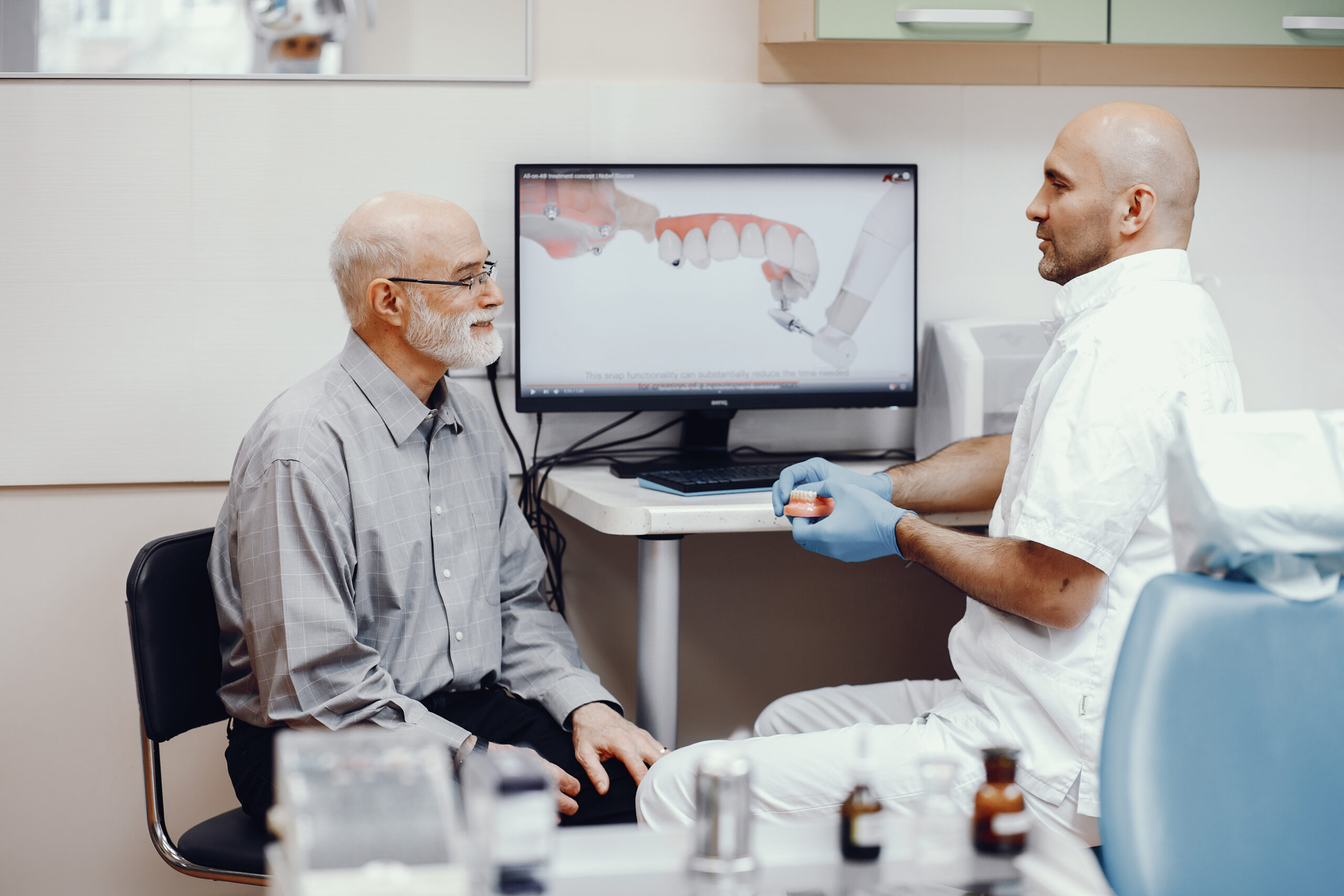
The simple answer to how long do same-day crowns last is about 10 to 15 years, and many last longer with good care. That's about the same as a traditional lab-made crown, because a crown's lifespan depends far more on your tooth, your bite, and your habits than on whether it was made in one visit or two.
If you're thinking about a same-day crown, or you already have one, this guide covers what really determines its lifespan, how to care for it, and how to tell when something's off. It's a companion to our main page on same-day crown treatment, which walks through the whole process.
Are Same-Day Crowns Durable?
Yes. Same-day crown durability comes down mostly to the material, and these crowns are milled from a solid block of ceramic, typically lithium disilicate or zirconia. A solid block has no layers that can separate and no internal seams, which is one reason modern milled ceramics hold up well in everyday chewing.
Digital scanning helps too. A precise fit at the edge of the crown, where it meets the tooth, matters a lot because that's where problems tend to start. If you're comparing the two approaches, our post on same-day vs traditional crowns breaks down the differences side by side.
So the crown itself is rarely the weak link. The more useful question is what's going on in the mouth around it.
What Affects How Long a Crown Lasts?
- The health of the tooth underneath. A crown protects a tooth, but it doesn't make the tooth immune. Decay can still creep in at the edge, and a tooth with weak structure or a cracked root may fail no matter how good the crown is.
- How well you clean around it. Plaque buildup at the gumline is the most common reason a crown needs replacing early.
- Grinding and clenching. Heavy nighttime grinding puts enormous force on a crown and can chip or crack ceramic over time.
- Your bite. If the crown sits slightly high or your teeth don't meet evenly, it takes more than its share of the load.
- Habits. Chewing ice, popping open packaging with your teeth, and biting pens or fingernails all wear on a crown.
- The location of the tooth. Back teeth take more chewing pressure than front teeth, so they often wear faster.
- Gum health. Receding gums can expose the edge of a crown or the root beneath it, which raises the risk of decay.
- Regular checkups. Catching small problems early is almost always cheaper and simpler to fix.
A crown on a healthy tooth, in a mouth that's cleaned well and doesn't grind, can easily pass the 15-year mark. A crown on a tooth with ongoing decay in someone who clenches hard might not reach 10.
How Do You Care for a Same-Day Crown Day to Day?
The good news: it's not complicated. It's mostly the routine you should be doing anyway.
- We recommend using a soft brush and fluoride toothpaste to brush and floss twice every day and spend a little extra time along the gumline where the crown meets the tooth.
- Don't use your teeth as tools. Skip ice, hard candy, and tearing open bags. Ceramic is strong but not indestructible.
- Ask about a night guard if you grind. If you wake up with a sore jaw or your partner hears grinding, a custom guard is one of the cheapest ways to protect a crown and the rest of your teeth.
- Keep your regular visits. We check the crown's edges, the tooth, and the gums, and we can catch small issues before you ever notice them.
A bit of sensitivity to hot and cold is normal for a couple of weeks after a new crown, especially if the tooth had deep decay. If it lingers or gets worse, call us.
What Are the Signs a Crown Needs Attention?
Most crown trouble announces itself early. Watch for these:
- Pain or sensitivity that returns. Especially when biting down or with hot and cold, after things have settled.
- A loose or wobbly crown. It may feel like it shifts when you chew or touch it with your tongue.
- A chip or crack. Even a small one can let bacteria in or grow larger.
- A dark line or gap at the gumline. This can mean the edge is no longer sealing, or that decay has started underneath.
- A bad taste or smell around one tooth, which sometimes points to decay or infection.
- Swelling or tenderness in the gum next to the crown.
- A bite that feels off. If the crown seems to hit first, it needs a quick adjustment.
None of these mean you did something wrong. Crowns are made to last a long time, not forever, and the signs a crown needs replacing usually show up gradually. If you notice any of them, don't wait it out. If the pain is sharp, the crown has come loose, or you have swelling, call us for emergency dental care.
Should a Crown Be Repaired or Replaced?
It depends on what's wrong, and honestly, how much tooth is still there. Here's roughly how we think about it.
Repair is sometimes possible when:
- there's a very small chip that can be polished smooth
- the crown needs a bite adjustment
- a minor fracture can be bonded, and the crown is otherwise sound
Replacement is usually the better call when:
- the crown is cracked through or badly worn
- decay has started under the edge
- the crown is loose, and the fit can't be restored
- the tooth underneath has changed enough that the crown no longer seals
Often, a new crown can go on the same tooth, and with a same-day setup, that can be done in one visit. But if the tooth underneath has failed, for instance with a deep crack or serious decay below the gumline, the conversation changes. Sometimes the tooth can be rebuilt. Sometimes it can't, and an implant becomes the better option. If you end up there, it helps to know how long dental implants last so you can compare your options with real numbers.
The honest answer is that we won't know until we examine the tooth and take an X-ray. A crown that looks fine from the outside can have a problem underneath, and one that looks rough can sometimes be saved.
Frequently Asked Questions
Worried About a Crown? Let's Take a Look
If your crown feels off, or you want to know how yours is holding up, a quick exam and X-ray will tell you. For appointment, call at this number (757)-425-1335 if you're from Virginia Beach, or call (757)-547-5105 if you're from Chesapeake. And if you're still deciding whether a crown is right for your tooth, we're happy to walk you through it.