
How Long Do Dental Implants Last? A Realistic Timeline
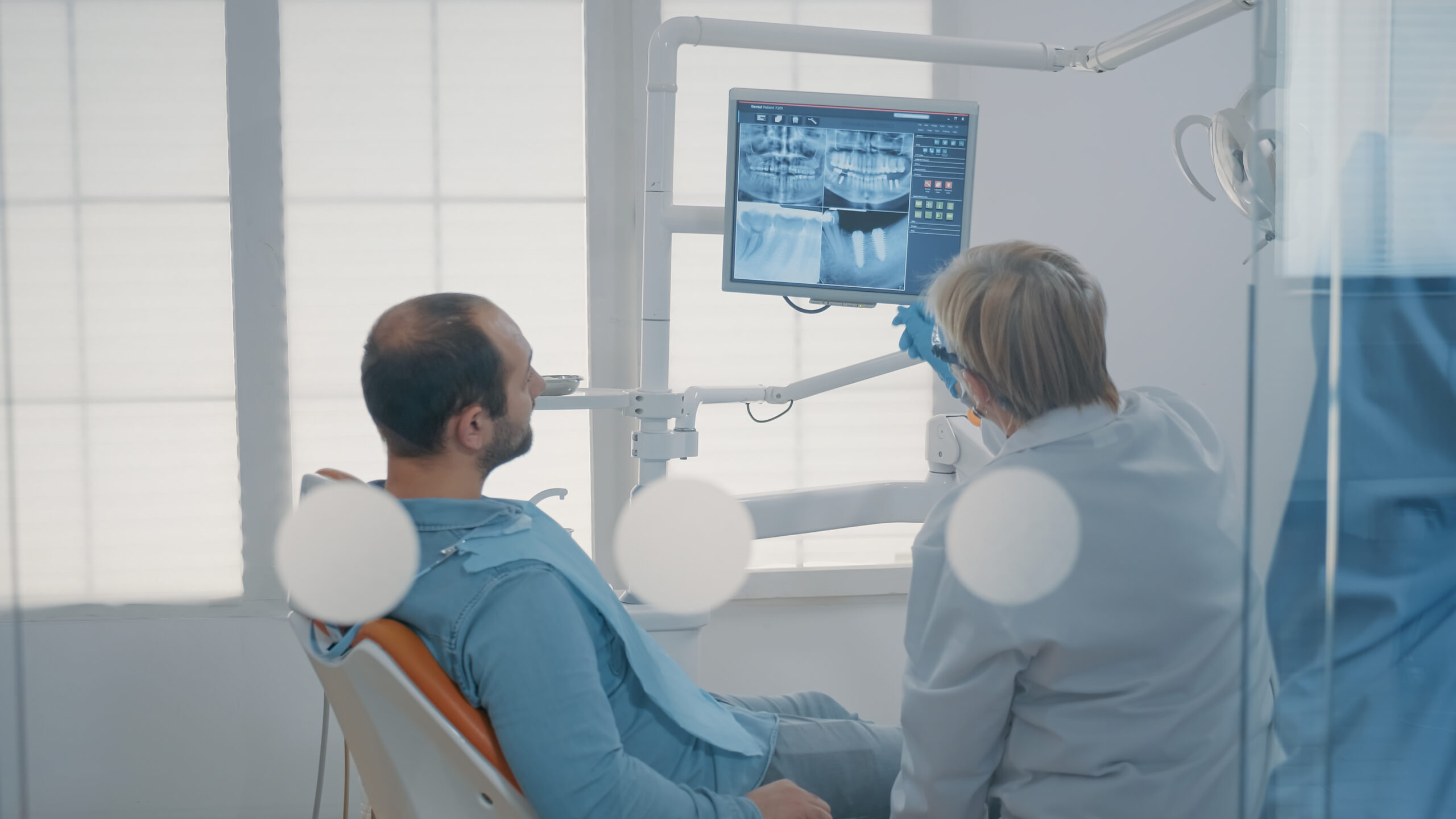
Patients ask this in almost every implant consultation, usually right after hearing the price. Fair enough. Spending several thousand dollars on one tooth means the lifespan question deserves a real answer, not a vague "years and years."
The truthful answer splits into two parts. How long do dental implants lastactually depends on which piece you're asking about, because the titanium post buried in the jaw and the crown sitting on top don't age the same way at all.
Knowing that difference upfront changes how someone plans for upkeep down the road. It also explains a lot of the pricing.
Speaking of pricing, our guide on dental implants cost virginia beach covers that side in more detail if you haven't already looked at it.
The Titanium Post Can Last a Lifetime
Buried in the jawbone, doing the job of an actual tooth root, the implant post is the part built to stay. Once it fuses with the bone through a process called osseointegration, it behaves like a permanent fixture of your jaw.
Twenty years. Thirty. Sometimes forty. That's the realistic range for how long the post itself sticks around, and a lot of patients never replace theirs at all. This piece of the implant carries most of the longevity story, and it's the main reason implants outlast bridges and dentures over the long run.
The Crown Wears Out Faster
Up top, the visible tooth-shaped crown doesn't get the same free pass. Ten to fifteen years is typical before wear, a chip, or shifting bite pressure means it needs replacing.
Nothing's broken when that happens. A crown on a natural tooth wears out the same way, and so does a filling eventually. The post underneath just sits there, doing its job quietly, while the crown absorbs everything from chewing and grinding day after day.
What Actually Affects Dental Implant Longevity
Some patients assume it comes down to luck, or to which implant brand got used. Not really. Dental implant longevity comes down to a handful of specific things, and most of them are within a patient's control.
Maintaining oral hygiene near an implant is just as important as one would maintain the actual teeth. Not keeping up with proper hygiene for too long may result in the formation of a plaque that causes a disease that resembles gum disease but is unique to implants. The night grinding process creates additional stress on the crown and consequently reduces its longevity. The smoking process hinders the healing process of the crown immediately after implantation.
Bone density at the time of placement plays a role too, since it affects how well the post integrates from the start. And regular checkups catch the small stuff, a loose crown, minor bone loss, before it turns into something bigger.
Two patients with the exact same implant can end up in very different places ten years out. The gap usually comes down to which of these habits they actually kept up with.
Genetics come into the picture as well, but not as much as people would like to think it does. There are people who recover from injuries faster and who have denser bones than other individuals. However, the practices mentioned earlier remain more important than genetics.
Signs Your Implant Might Need Attention
Trouble rarely announces itself loudly. A crown that feels a little loose. Gum tissue around the implant that looks puffy or has started pulling back. Discomfort when biting down that wasn't there last month.
None of that automatically spells failure. Most of the time it just means a checkup is overdue, and catching it early is a lot simpler than waiting.
What Happens If an Implant Fails?
Rare, but it happens. Early failure, within the first few months, usually traces back to the post never fusing properly in the first place, sometimes from infection, sometimes thin bone, sometimes smoking during healing.
Later failure tells a different story. Years down the road, it's more often gum disease around the implant or bite stress that went unaddressed for too long. Either way, most failed implants can be removed and replaced once the actual cause gets handled, whether that's an infection, a bone graft, or finally getting fitted for a nightguard. The turnaround on a replacement is usually faster than the original placement too, since the healing groundwork from the first implant often makes the second one more straightforward.
How Implants Compare to Bridges and Dentures Long Term
The longevity of a bridge is from 10 to 15 years, which equals that of an implant crown. However, unlike an implant crown, a bridge depends on the two adjacent teeth and deteriorates them through the wear-and-tear process. The dentures are the ones that have the lowest longevity among all the three, requiring replacement after five to seven years due to the loss of bone underneath.
There is one thing that makes implants unique from the other two methods: they maintain bone mass rather than letting it go away. This alone takes care of a lot of the math in the long run, despite the higher cost of initial investment.
- Dental implant (post):lasts 20-40 years and actually helps preserve jawbone density
- Implant crown: lasts 10-15 years, doesn't play a role in bone preservation since it's just the visible piece on top
- Traditional bridge: lasts 10-15 years, doesn't preserve bone
- Denture:lasts 5-7 years, doesn't preserve bone either
Add it up and the pattern's obvious. A post lasting multiple decades, paired with a crown replaced on roughly the same schedule a bridge would need anyway, means fewer total procedures across a lifetime. That's the real answer to how long do dental implants last once the full picture's actually on the table, not just the first year.
Getting the Most Years Out of Your Implant
Nothing complicated here. Brush and floss around the implant the way you would a real tooth. Wear a nightguard if grinding's an issue, it takes pressure off the crown that was never designed to absorb it every single night.
Ice chewing and hard candy deserve a mention too. Both put the same kind of stress on an implant crown that they would on a natural one, and both are surprisingly common reasons crowns need early replacement. Keep up with cleanings and small problems get caught while they're still small.
When to Bring It Up at Your Next Cleaning
Implant longevity rarely comes up on its own during a routine visit. Nothing feels wrong yet, so why would it? Worth asking anyway, especially past the ten-year mark, or if grinding, gum recession, or a loose feeling has crept in lately.
An examination of the fit of the crown and the gums surrounding the post takes an additional five minutes on top of the normal cleaning process. The earlier you address issues, the easier they are to solve down the road, but more often than not, patients only come to mind when there is already something wrong.
Just a friendly tip before your next appointment; mention any abnormalities or problems, no matter how small they might seem. It’s better to have something checked and find out it's nothing than to let a potential problem develop into something more difficult to fix later down the line. And what's more, it's absolutely free to ask.