
Same-Day Crown vs. Traditional Crown: Which Is Better for You?
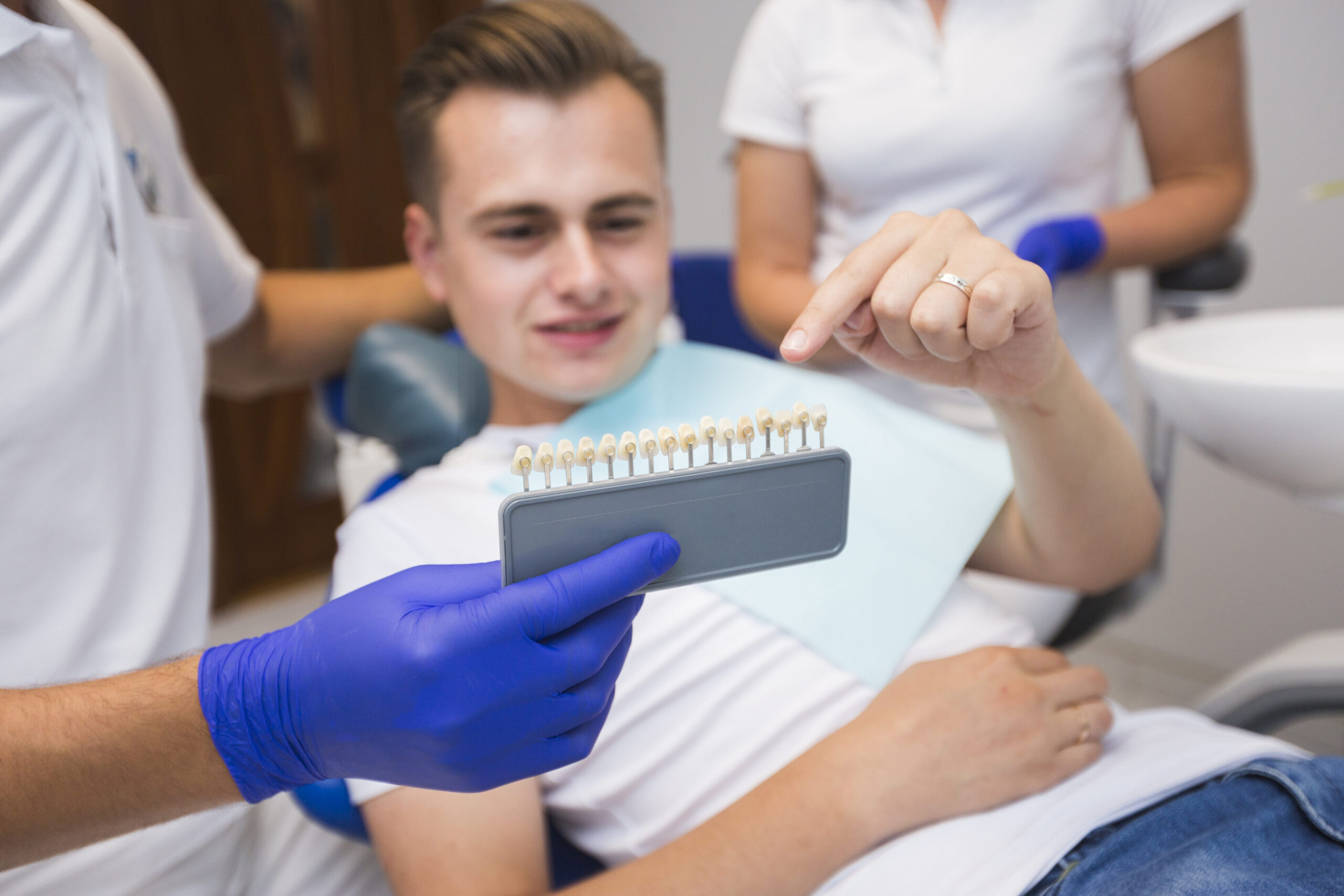
A same-day crown is a finished ceramic crown made in our office in a single visit, while a traditional crown is made at an outside lab and takes two visits. For most single teeth, both work well, so the real question is which one fits your tooth, your bite, and the material you need.
If you’re weighing a one-visit crown Virginia Beach dentists now offer against the old two-appointment route, this same-day crown vs. traditional crown guide lays out the differences without the sales pitch. It’s a companion to our full guide on same-day crowns in Virginia Beach, which covers the whole process and who qualifies.
Same-Day vs. Traditional Crown at a Glance
| Same-day crown | Traditional crown | |
|---|---|---|
| Visits | 1 | 2 |
| Temporary crown | None | Yes, for about 2 to 3 weeks |
| Material | Milled ceramic | Porcelain, porcelain-fused-to-metal, gold, zirconia, or ceramic |
| Fit | Digital scan, checked and adjusted in the chair | Impression or scan, made by a lab, adjusted at the second visit |
| Lifespan | Typically 10 to 15 years | Typically 10 to 15 years, gold often longer |
Notice the last row. Lifespan is about the same, and that surprises people. How long a crown lasts depends far more on the tooth underneath, your bite, and your habits than on where the crown was made. We go deeper on that in our post on how long same-day crowns last.
How Is Each Type of Crown Made
Both same day crown vs traditional crown start the same way. We numb the tooth, remove decay or an old filling, and reshape what’s left so a crown can fit over it.
A same-day crown
We use a wand-like tool called a digital intraoral scanner to scan the prepared tooth. This tool takes thousands of images of the prepared tooth and teeth on either side to build a 3D model on screen. Once the crown is designed on the computer, it’s carved from a solid ceramic block right at our office. The carved crown is polished, stained, and glazed to match the color tone of your other teeth. Then, everything is bonded together so that it sets perfectly. This entire process takes about 2 to 3 hours.
A traditional crown
After we prepare the tooth, we take a tray impression and send it to the lab where a technician carves the permanent crown. It usually takes a couple of weeks for the permanent crown to be prepared. Meanwhile, we fix a temporary crown, often made of acrylic or plastic, over the affected tooth. Once the permanent crown is back from the lab, we do a final fit check and cement it.
Same-Day Crown Pros and Cons
Advantages:
- The procedure takes about 2 to 3 hours and no second-day visit
- You leave with a permanent implant at your 1st appointment
- Digital scans make the process of taking a tooth impression easy and gag-free
- The dentist can tweak the design on screen in real-time before finalizing the crown
Disadvantages:
- The appointment is long, and some people find that tiring
- It’s ceramic only, so gold and metal options are out
- Not every tooth is a fit, especially complex or heavily visible cases
- Not every dental office has the equipment
Are Same-Day Crowns as Good as Regular Crowns?
If you’re missing a single tooth, a same-day crown is a better option. Modern milled ceramics are durable and much stronger compared to traditional crowns. Besides this, digital scans are more accurate than tray impressions.
“Same-day” doesn’t make a crown better, though. What matters is the dentist’s skill, the quality of the prep, and whether the tooth is a good candidate to begin with.
When Is a Traditional Crown the Better Choice?
We do both, and we’ll tell you straight when sending a crown to the lab is the smarter move. A few situations where it often is:
- You want gold or a metal-based crown. Gold is gentle on opposing teeth and can last a very long time, which makes it a solid pick for some back teeth, especially if you grind. It’s lab-made.
- It’s a prominent front tooth. When shade and translucency have to be spot on, a lab technician who hand-layers porcelain can sometimes get a slightly more lifelike result.
- Several teeth are being rebuilt at once. When your bite is changing across multiple crowns, working in stages with lab support gives us more control.
- There’s very little tooth left to grip. Some short or heavily damaged teeth do better with a different design or material.
- You can’t sit for a long appointment. If a 2- to 3-hour visit is hard for you, two shorter ones may be more comfortable.
None of these mean same-day is a bad choice in general. They mean your tooth gets the best option for your tooth, not the one that’s faster. If you’re not sure what kind of work you need, our overview of dental crowns walks through the materials and when each is used.
What Should You Ask at Your Visit?
A good consultation should feel like a conversation, not a pitch. Questions worth asking:
- Is my tooth a good candidate for a same-day crown? There’s a real answer, and it should be specific to your tooth.
- Which material would you use, and why? Ask about strength and how well it’ll match your teeth.
- Would you recommend a lab-made crown for this tooth? If the answer is always no, be a little skeptical.
- How long should this crown last, and what shortens that?
- Do I grind or clench, and should I get a night guard?
- What does it cost, and how much will insurance cover?
- What happens if something goes wrong, like a chip or a loose crown?
Pay attention to how the answers sound. A dentist who explains trade-offs, including the ones that don’t favor their own equipment, is usually one you can trust with your tooth.
Frequently Asked Questions
Ready to Find Out Which Crown Fits Your Tooth?
If you’ve been told you need a crown, or you’ve got a tooth that’s cracked or worn, the fastest way to know your options is a quick exam. We’ll look at the tooth, explain what each route would involve, and recommend the one we’d choose if it were our own mouth. Call us to schedule a visit.