
Full Mouth Rehabilitation: A Step-by-Step Guide to the Process
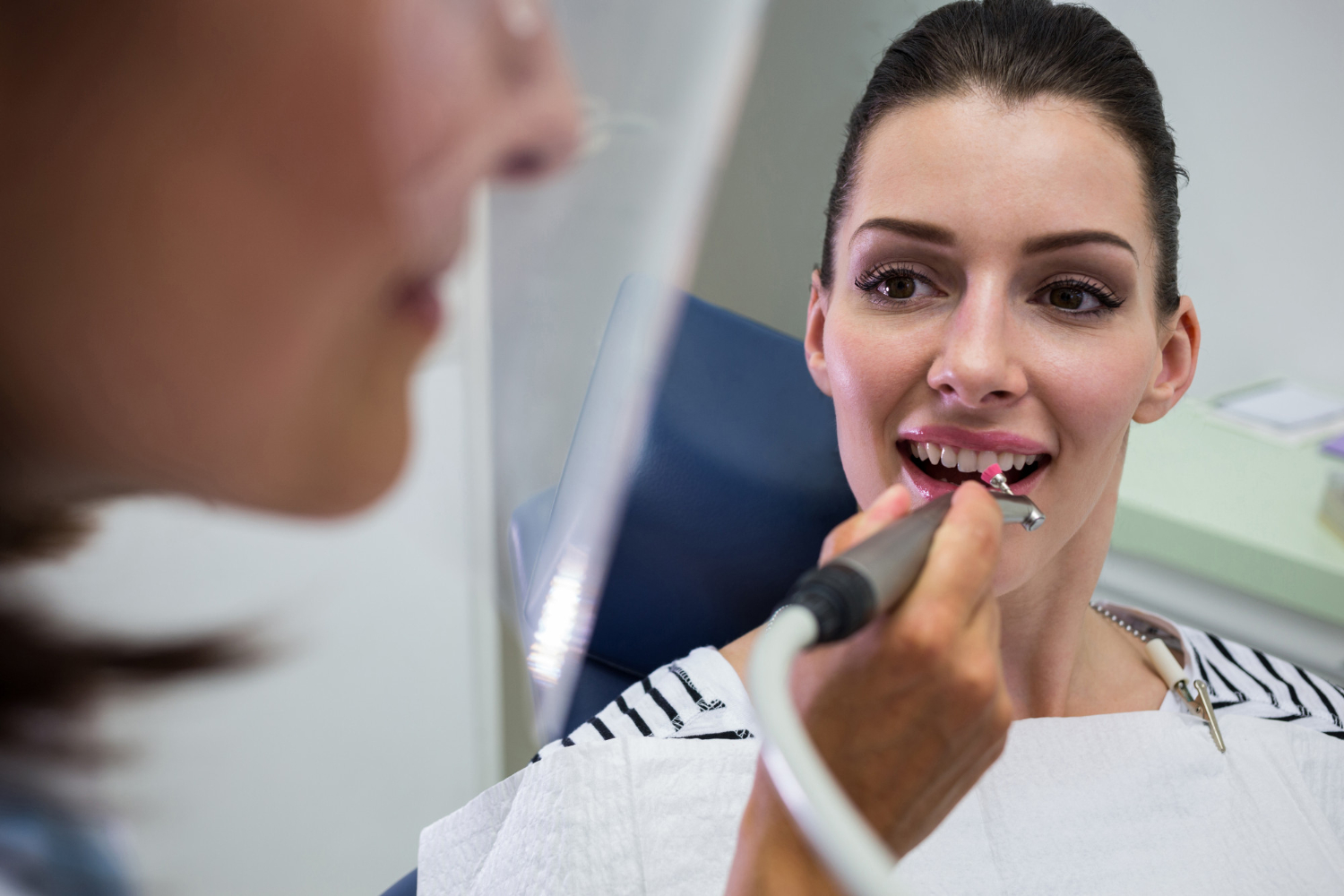
Full mouth rehabilitation is a comprehensive dental treatment built to restore the function, health, and appearance of an entire set of teeth. It is generally advised to individuals who have suffered from extensive tooth loss, extreme decay, wear and tear of teeth, or have failed restorations repeatedly. It is different from a single treatment, as it combines many treatments together into an integrated plan, which revolves around dental implants for full mouth restoration. For patients researching full mouth dental implants nearby, walking through the process step by step tends to make the decision feel a lot less overwhelming. This guide breaks down what that process actually looks like, from the first evaluation through the final restoration, so anyone weighing full mouth reconstruction chesapeake va options knows what to expect at each stage.
What Is Involved in the Initial Consultation and Treatment Planning?
The first phase is all about diagnosis and planning, and it's arguably the phase that determines how well everything after it goes. During the consultation, a dental provider will run a detailed evaluation, which may include:
- Digital X-rays and 3D CBCT scans
- An exam of gum health and bone density
- Bite analysis and jaw alignment assessment
This information helps determine whether a patient is a good candidate for complete dental implants, or whether some preparatory work needs to happen first. The dentist will also go over treatment options, what results to expect, and the full mouth dental implants cost at this stage. Costs shift from case to case, since the number of implants, the materials used, and any extra procedures all factor in. From there, a customized treatment plan gets built out, laying out each step of the rehabilitation process.
How Is the Mouth Prepared for Full Mouth Dental Implants?
Before any implant goes in, the mouth needs to be stabilized so it can support long-term success. Preparation might include:
- Extracting teeth that are damaged beyond saving
- Treating gum disease
- Bone grafting or sinus lifts, if there isn't enough bone volume to work with
These measures help ensure that the jawbone is ready to support the dental implants in the full arch. The process can extend the total time of the procedure, but the result will be worth the effort in terms of the stability and longevity of the treatment outcome. Not all patients require such thorough preparations, however.
What Happens During the Implant Placement Procedure?
Implant placement is the surgical phase of full mouth rehabilitation. During this procedure:
- Titanium implants get inserted into the jawbone at specific, planned locations
- Dental implant systems for the full arch require 4 to 6 implants per jaw arch
- It is done under local anesthesia, sedation, or general anesthesia, based on the requirements of the patient
Most of the time, the temporary set of teeth are put in place on the same day and this process is referred to as "teeth in a day" where the patient walks out of the hospital wearing their new teeth. That immediate-loading approach is one of the bigger advantages of modern dental implants for full mouth restoration.
What Is the Healing and Osseointegration Process?
After the implants are placed, the body goes through a healing phase called osseointegration. During this stretch:
- The implants fuse with the jawbone
- Bone tissue builds up around the implant surface, creating a stable base
This phase typically runs 3 to 6 months. Patients are usually asked to:
- Stick to a soft-food diet at first
- Keep up strict oral hygiene
- Show up for follow-up visits so healing can be monitored
The temporary teeth work fine day to day, but their real job is protecting the implants while they heal, not serving as the final restoration.
When Are the Final Prosthetic Teeth Placed?
Once osseointegration is done, the final prosthetic phase kicks off. This involves:
- Removing the temporary teeth
- Taking precise impressions or digital scans
- Designing and building the final set of teeth
The final prosthesis used in complete dental implants is more durable, more refined looking, and customized for a proper bite. Zirconia or high-grade acrylic are the materials most commonly used here, since both hold up well and look natural. This is the stage that completes the transformation and gives patients a permanent, fixed solution.
What Are the Functional and Long-Term Benefits?
Full mouth rehabilitation with implants offers several advantages over traditional removable options. Some of the biggest:
- Better chewing efficiency and more freedom with what you can eat
- Clearer speech
- Preserved jawbone structure
- Less risk of the facial collapse that often follows tooth loss
- Durability that holds up over the long run, with proper care
Unlike dentures, full arch dental implants stay fixed in place, so there's no worrying about shifting or adhesives. That stability makes a real difference in day-to-day comfort and confidence.
How Much Do Full Mouth Dental Implants Cost?
The full mouth dental implants cost comes down to a handful of factors, including:
- How many implants are needed
- The type of prosthetic material used
- How complex the case is
- Whether preparatory procedures are needed first
The initial cost is higher compared to conventional dentures, but dental implants are designed to last for a lifetime. They typically result in a reduction of costs associated with subsequent modifications, replacements, and additional procedures. All those looking for full mouth dental implants near me should inquire about the cost estimates and discuss the payment methods during their consultations.
Who Is an Ideal Candidate for Full Mouth Rehabilitation?
People who tend to be good candidates for dental implants for full mouth restoration usually:
- Have multiple missing or badly damaged teeth
- Struggle with chewing or speaking
- Are unhappy with removable dentures
- Have enough bone density, or qualify for grafting to get there
Full evaluation is the only way to be sure. The treatment plan is based on a lot of factors. Medical history, lifestyle, and overall oral health all shape what the right treatment plan looks like.
What Should Patients Expect Moving Forward?
Full mouth rehabilitation procedure is complex and requires detailed planning, accuracy during the procedure, and proper aftercare. The process may differ from person to person depending on different factors, but the fact that the process follows a certain structure gives predictability and durability to its result. Knowing everything about each step of the procedure, starting from the first meeting with your doctor and ending with the restoration of your mouth, is the key to making the decision about full mouth rehabilitation less difficult to make. With the help of an experienced specialist, such procedure usually provides you with a predictable and durable result.