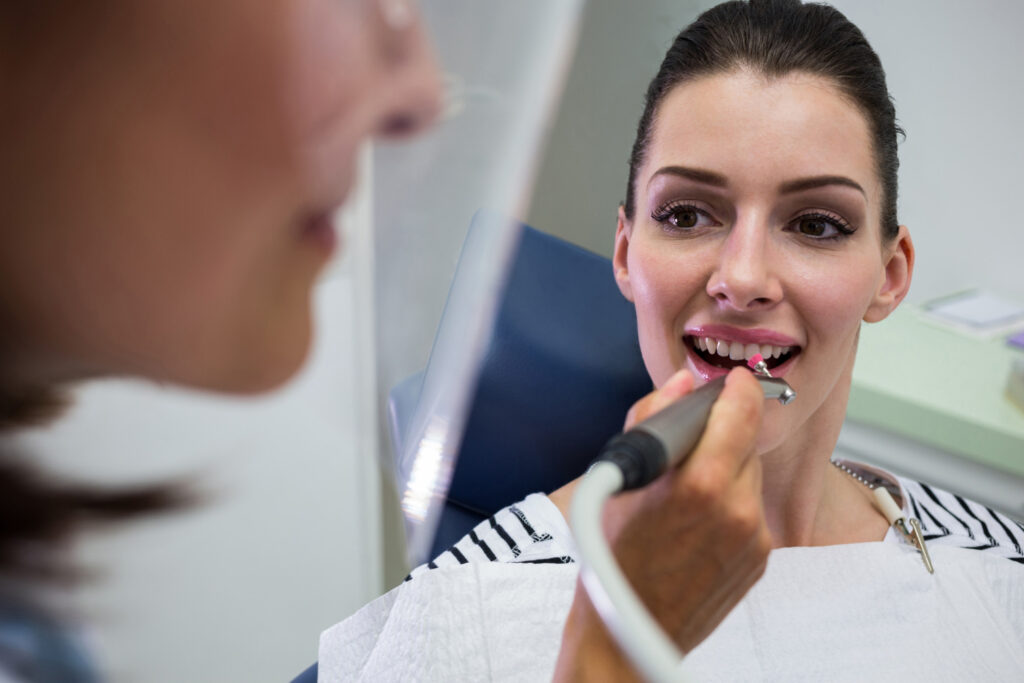
Step-by-Step: What Full Mouth Rehabilitation Looks Like
Full mouth rehabilitation is a comprehensive dental treatment designed to restore the function, health, and appearance of an entire set of teeth. It is typically recommended for patients dealing with extensive tooth loss, severe decay, worn dentition, or multiple failing restorations. Unlike single procedures, this approach combines several treatments into one structured plan—often centered around dental implants for full mouth restoration.
For patients researching full mouth dental implants near me, understanding the process step by step can make the decision more informed and less overwhelming.
What Is Involved in the Initial Consultation and Treatment Planning?
The first phase focuses on diagnosis and planning, which is critical to long-term success.
During the consultation, a dental provider will conduct a detailed evaluation that may include:
Digital X-rays and 3D CBCT scans
Examination of gum health and bone density
Bite analysis and jaw alignment assessment
This information helps determine whether a patient is a candidate for complete dental implants or if additional preparatory procedures are required.
At this stage, the dentist will also discuss treatment options, expected outcomes, and the full mouth dental implants cost. Since every case is different, costs can vary based on the number of implants, materials used, and any additional procedures needed.
A customized treatment plan is then developed, outlining each step of the rehabilitation process.
How Is the Mouth Prepared for Full Mouth Dental Implants?
Before implant placement, the oral environment must be stabilized to support long-term success.
Preparation may include:
Extraction of damaged or non-restorable teeth
Treatment of gum disease
Bone grafting or sinus lifts (if bone volume is insufficient)
These procedures ensure that the jawbone can properly support full arch dental implants. While this phase may extend the overall timeline, it significantly improves implant stability and longevity.
Not all patients require extensive preparation. Some may proceed directly to implant placement depending on their oral health condition.
What Happens During the Implant Placement Procedure?
Implant placement is the surgical phase of full mouth rehabilitation.
During this procedure:
Titanium implants are inserted into the jawbone at strategic locations
Typically, 4–6 implants are used per arch in full arch dental implants systems
The procedure is performed under local anesthesia, sedation, or general anesthesia, depending on patient needs
In many cases, a temporary prosthesis is attached on the same day. This approach, often referred to as “teeth in a day,” allows patients to leave with a functional and aesthetic set of teeth immediately after surgery.
This immediate loading technique is a key advantage of modern dental implants for full mouth restoration.
What Is the Healing and Osseointegration Process?
After implant placement, the body undergoes a healing phase known as osseointegration.
During this process:
The implants fuse with the jawbone
Bone tissue grows around the implant surface, creating a stable foundation
This phase typically lasts between 3 to 6 months.
Patients are usually advised to:
Follow a soft-food diet initially
Maintain strict oral hygiene
Attend follow-up visits to monitor healing
Although temporary teeth are functional, they are designed to protect the implants during healing rather than serve as the final restoration.
When Are the Final Prosthetic Teeth Placed?
Once osseointegration is complete, the final prosthetic phase begins.
This involves:
Removing the temporary prosthesis
Taking precise impressions or digital scans
Designing and fabricating the final set of teeth
The final prosthesis used in complete dental implants is more durable, aesthetically refined, and customized for optimal bite alignment. Materials such as zirconia or high-grade acrylic are commonly used for strength and natural appearance.
This stage completes the transformation, providing patients with a permanent, fixed solution.
What Are the Functional and Long-Term Benefits?
Full mouth rehabilitation using implants offers several long-term advantages compared to traditional removable options.
Key benefits include:
Improved chewing efficiency and dietary flexibility
Enhanced speech clarity
Preservation of jawbone structure
Prevention of facial collapse associated with tooth loss
Long-term durability with proper maintenance
Unlike dentures, full arch dental implants are fixed in place, eliminating concerns about movement or adhesives. This stability significantly improves daily comfort and confidence.
How Much Do Full Mouth Dental Implants Cost?
The full mouth dental implants cost depends on multiple factors, including:
Number of implants required
Type of prosthetic material
Complexity of the case
Need for preparatory procedures
While the upfront investment is higher than traditional dentures, implants are considered a long-term solution. They often reduce the need for ongoing adjustments, replacements, or additional treatments over time.
Patients exploring full mouth dental implants near me should request a detailed cost breakdown and discuss financing options during their consultation.
Who Is an Ideal Candidate for Full Mouth Rehabilitation?
Candidates for dental implants for full mouth restoration typically include individuals who:
Have multiple missing or severely damaged teeth
Experience difficulty chewing or speaking
Are dissatisfied with removable dentures
Have adequate bone density or are eligible for grafting
A comprehensive evaluation is necessary to determine suitability. Medical history, lifestyle factors, and oral health conditions all play a role in treatment planning.
What Should Patients Expect Moving Forward?
Full mouth rehabilitation is a multi-stage process that requires careful planning, surgical precision, and follow-up care. While the timeline may vary, the structured approach ensures predictable and lasting results.
For patients considering complete dental implants, understanding each phase—from consultation to final restoration—provides clarity and confidence in the decision-making process.
When performed by an experienced provider, full mouth rehabilitation offers a reliable, long-term solution that restores both function and oral health.