
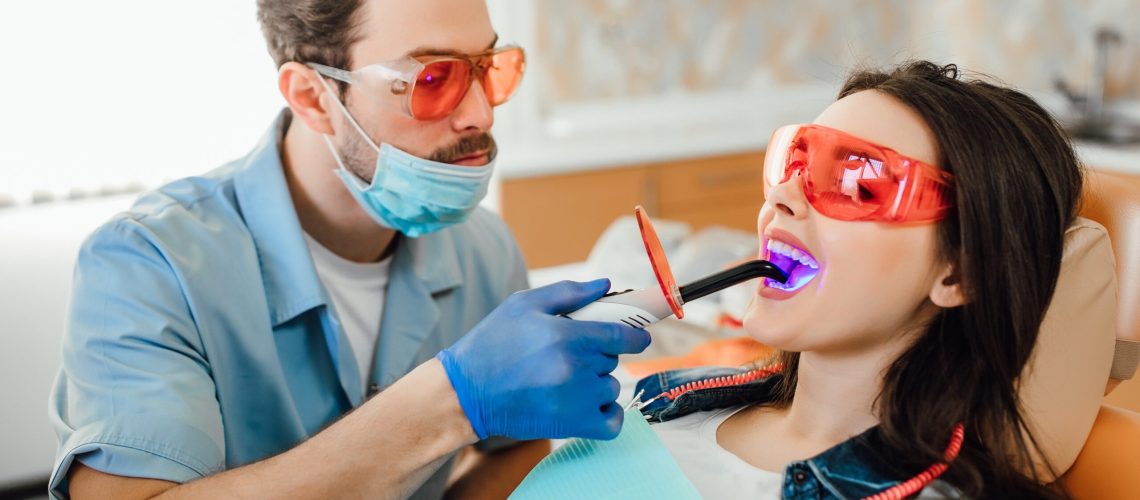
If you’ve heard about the term of dental laser treatment before, you might have pictured something futuristic—or maybe even a little intimidating.
But here’s the reality… it’s actually the opposite.
Most patients who experience laser dentistry for the first time say the same thing: “Wait… that was it?”
No loud drilling. No heavy pressure. And in many cases, way less discomfort than they expected.
At practices like RB Comprehensive Dentistry, laser technology isn’t just something “nice to have.” It’s become a core part of how modern, minimally invasive care is delivered—especially for patients looking for a more comfortable experience with their dentist in Chesapeake.
So what can dental lasers actually do? Let’s walk through it.
Gum Disease Treatment
If there’s one area where dental lasers really make a difference, it’s gum disease.
Traditionally, treating gum disease could involve more invasive methods—sometimes even cutting into the gums or using sutures. Not exactly something people look forward to.
With dental laser treatment for gums, the process is much more precise.
The laser targets and removes infected tissue while leaving healthy gum tissue intact. At the same time, it helps eliminate the bacteria that caused the infection in the first place.
That combination—precision plus cleanliness—makes a huge difference in how effective the treatment is.
And here’s something patients really appreciate: it often means fewer appointments. In many cases, a larger area can be treated in a single visit, which helps speed things up overall.
If you’ve been searching for a dentist for gum disease, this is one of the most advanced and patient-friendly options available today.
Peri-Implantitis Treatment
Now, this one doesn’t get talked about as much—but it should.
Peri-implantitis is a condition where the tissue around a dental implant becomes infected. If it’s not treated early, it can lead to bone loss… and eventually, implant failure.
That’s where laser dentistry becomes incredibly valuable.
Instead of using traditional tools that might disturb the implant or surrounding structures, the laser can carefully remove the infected tissue and disinfect the area without causing unnecessary damage.
It’s a more controlled approach, and honestly, a more reassuring one if you’ve already invested in dental implants and want to protect them.
Laser Frenectomy
This is one of those procedures that sounds more complicated than it actually is.
A frenectomy involves releasing a small piece of tissue—either under the tongue or connecting the upper lip to the gums. When that tissue is too tight (often called a tongue-tie or lip-tie), it can affect speech, eating, or even dental development.
Using a laser for this procedure changes everything.
Instead of scalpels and stitches, the laser gently releases the tissue with minimal discomfort. There’s very little bleeding, and healing tends to be quick.
For parents especially, this can be a huge relief. It’s a much gentler experience for children compared to traditional methods.
General Soft Tissue Treatments
Beyond these specific procedures, dental lasers are used in a variety of soft tissue treatments.
Anytime the gums or surrounding tissue need to be adjusted, cleaned, or treated, lasers offer a level of precision that’s hard to match with traditional tools.
And what that really means for patients is this:
- Less irritation during the procedure
- Less swelling afterward
- And usually, a smoother recovery overall
It’s one of those upgrades in dentistry that you don’t fully appreciate until you experience it firsthand.
Why Patients Are Choosing Dental Laser Treatment More Often?
It’s not just about what lasers can do—it’s how they do it.
The biggest difference most patients notice is comfort. There’s no harsh vibration, no loud drilling, and often no need for heavy anesthesia. For people who feel anxious about dental visits, that alone can completely change the experience.
Then there’s the healing side of things. Because the laser is so precise, it doesn’t disturb the surrounding tissue as much. That means your body doesn’t have to work as hard to recover.
And honestly… people just feel better afterward. Less soreness, less downtime, and fewer follow-up visits.
It’s a quieter, cleaner, more modern way to approach dental care.
FAQs
Most patients say it’s far more comfortable than traditional methods. In many cases, there’s little to no pain during the procedure.
Sometimes, but often less than you would with traditional treatments. It really depends on the procedure and your comfort level.
Healing is usually quicker. Since the laser is minimally invasive, there’s less trauma to the tissue.
Yes, it’s very safe when performed by trained professionals. It’s actually one of the most precise ways to treat gum tissue.
Most patients are good candidates, but your dentist will evaluate your specific needs to make sure it’s the right option.
A Different Kind of Dental Experience
If you’ve been putting off treatment because you’re expecting discomfort, you’re not alone.
But dental care doesn’t have to feel that way anymore.
With dental laser treatment, procedures that once felt intimidating are now faster, more comfortable, and far more manageable than most people expect.
At RB Comprehensive Dentistry, this technology isn’t used just for the sake of it—it’s used because it genuinely improves your experience and your results.
And once you experience that difference… it’s hard to go back.